Materuni Waterfalls & Coffee Tour “From Tree to Cup”
Located on the scenic slopes of Mount Kilimanjaro, the village of Materuni offers an authentic and immersive experience for those wanting to discover the full journey of coffee—from tree to cup—while also exploring the beauty of the surrounding nature.
TOUR HIGHLIGHTS
Coffee Journey:
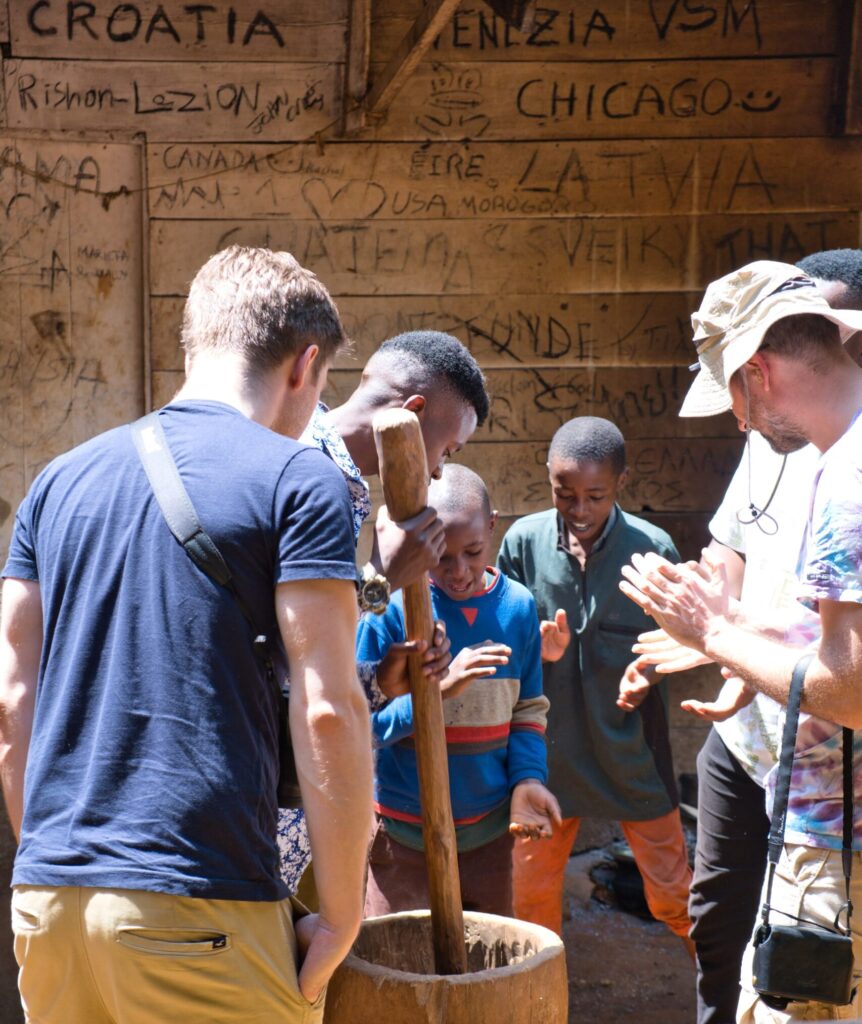
Visit local coffee farms where you’ll learn the traditional methods of growing and harvesting coffee beans, guided by local Chagga farmers.
Get hands-on as you pick your own coffee cherries and learn the secrets behind creating the perfect cup.
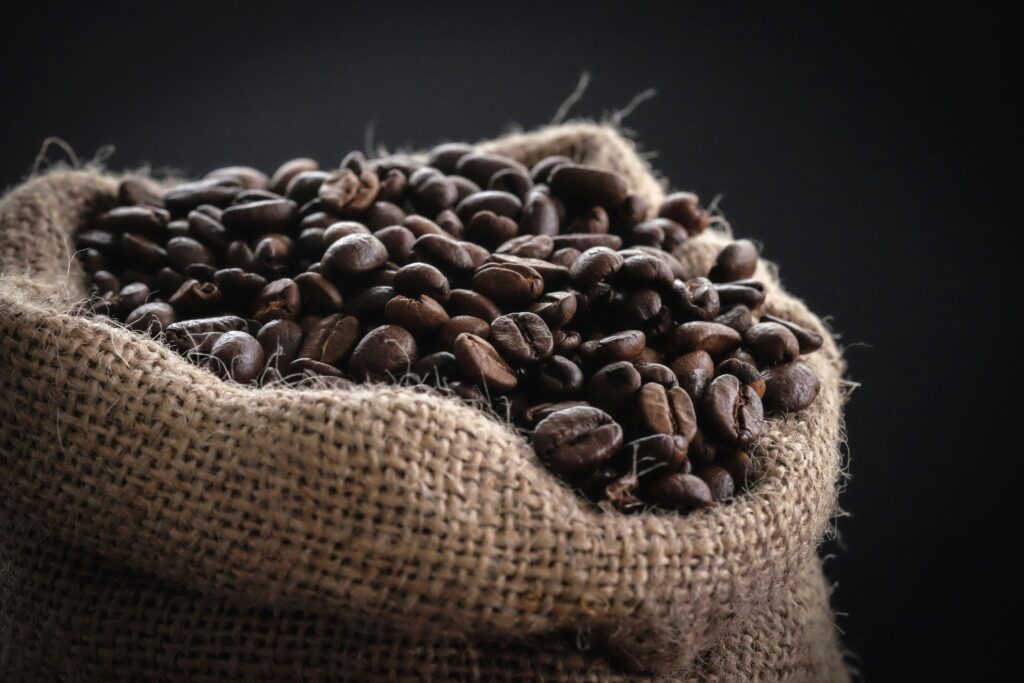
Experience the traditional coffee processing methods, including drying, roasting, and grinding, all leading to brewing your very own fresh cup of coffee.
Materuni Waterfalls:
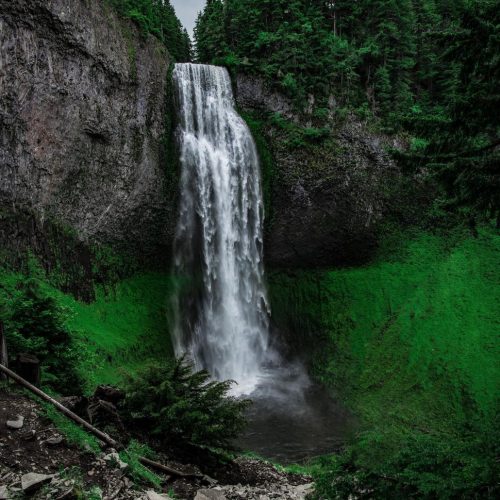
After your coffee experience, take a short hike through the lush rainforest to the stunning Materuni Waterfalls, a breathtaking 80-meter (262 ft) cascade surrounded by vibrant greenery.
Enjoy the refreshing mist and tranquility of the falls, perfect for a relaxing break after your coffee adventure.
The hike is easy to moderate, suitable for most fitness levels, and offers plenty of photo opportunities.
Cultural Insight:
Learn about the Chagga people’s rich cultural heritage, especially their relationship with coffee, which has been part of their tradition for generations.
Engage with the locals, who will share stories and insights into the village’s lifestyle, agriculture, and customs.
What’s Included:
Guided coffee tour from tree to cup
Visit to Materuni Waterfalls
Coffee brewing session
Local guide (English-speaking)
Water and snacks
Traditional lunch at a local home (optional)
Climate
Mount Kilimanjaro’s climate varies greatly due to its changing elevations. At the base, the tropical climate experiences two rainy seasons, from March to May and November to December, with lush forests and frequent rainfall. As you ascend, the climate becomes cooler and more temperate, with grasslands and forests between 1,800 and 3,000 meters. From 3,000 to 4,500 meters, the climate becomes alpine, with colder temperatures, rocky terrain, and little vegetation.
At the summit (5,895 meters), the climate is frigid year-round, with snow and ice. The climate is influenced by trade winds that bring moisture, creating a wet season (March to May) and a dry season (June to September). The best time to hike is from June to October and January to February, when the weather is drier and more favorable for trekking.