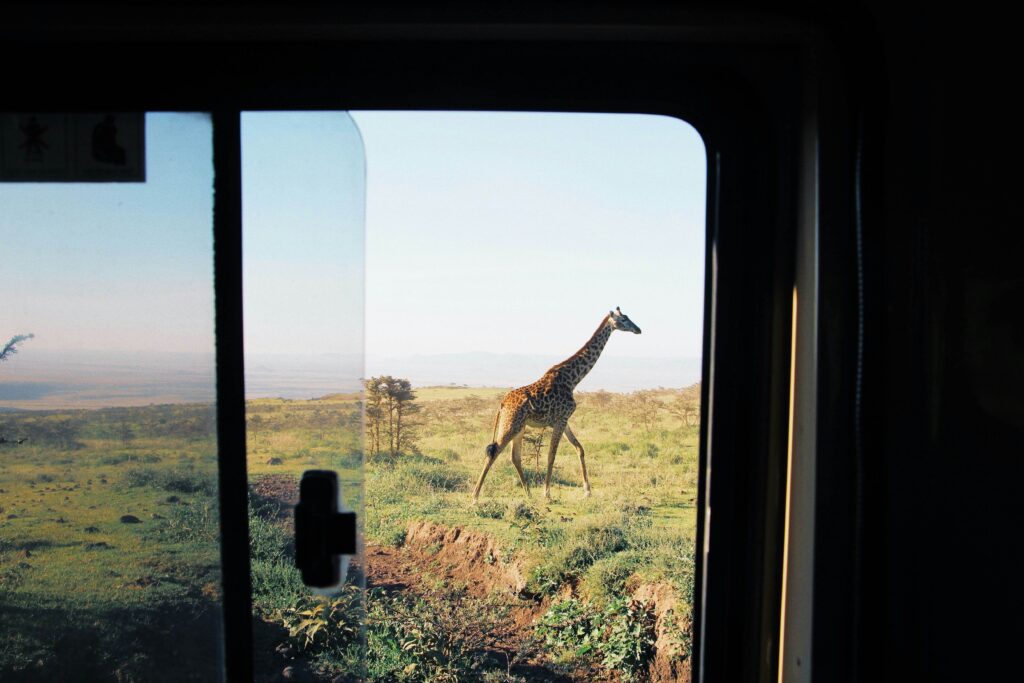
3-DAY SAFARI IN TANZANIA: TARANGIRE NATIONAL PARK, LAKE MANYARA, NGORONGORO CRATER
Get ready for an unforgettable adventure with this 3-day safari in Tanzania, one of the best wildlife destinations on the planet. This tour will take you to three iconic national parks where you’ll experience diverse landscapes, abundant wildlife and breathtaking scenery. Here’s an itinerary to guide you through your journey:
Day 1: Tarangire National Park
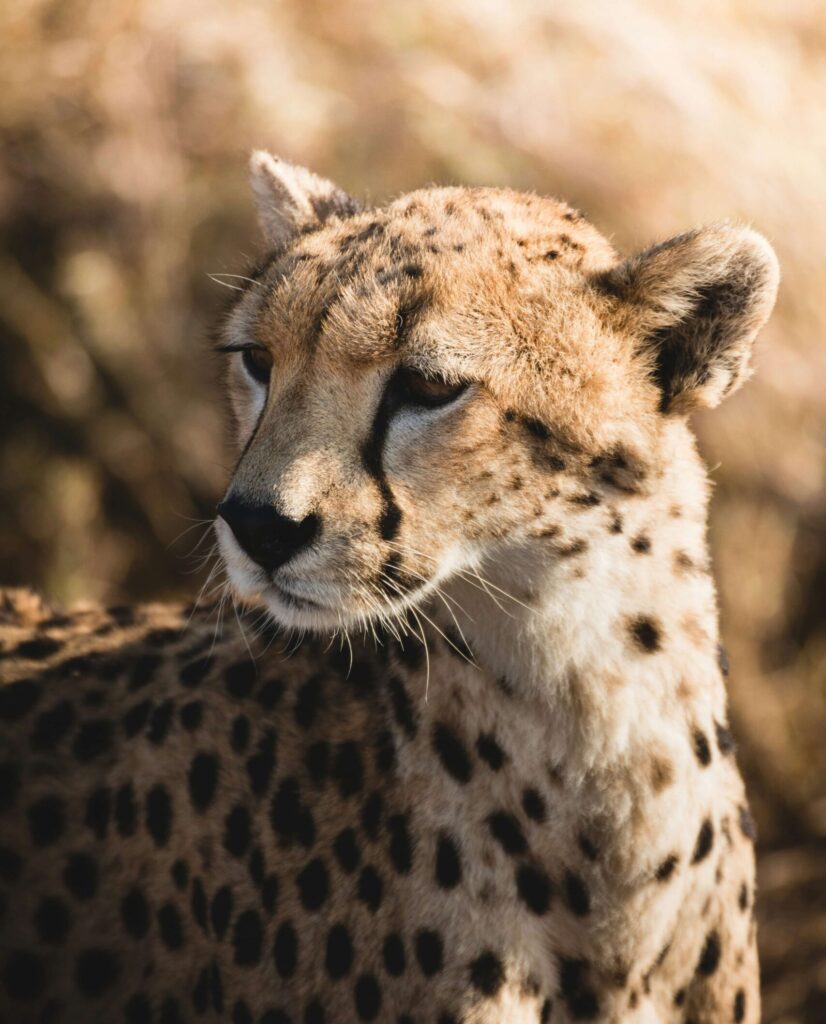
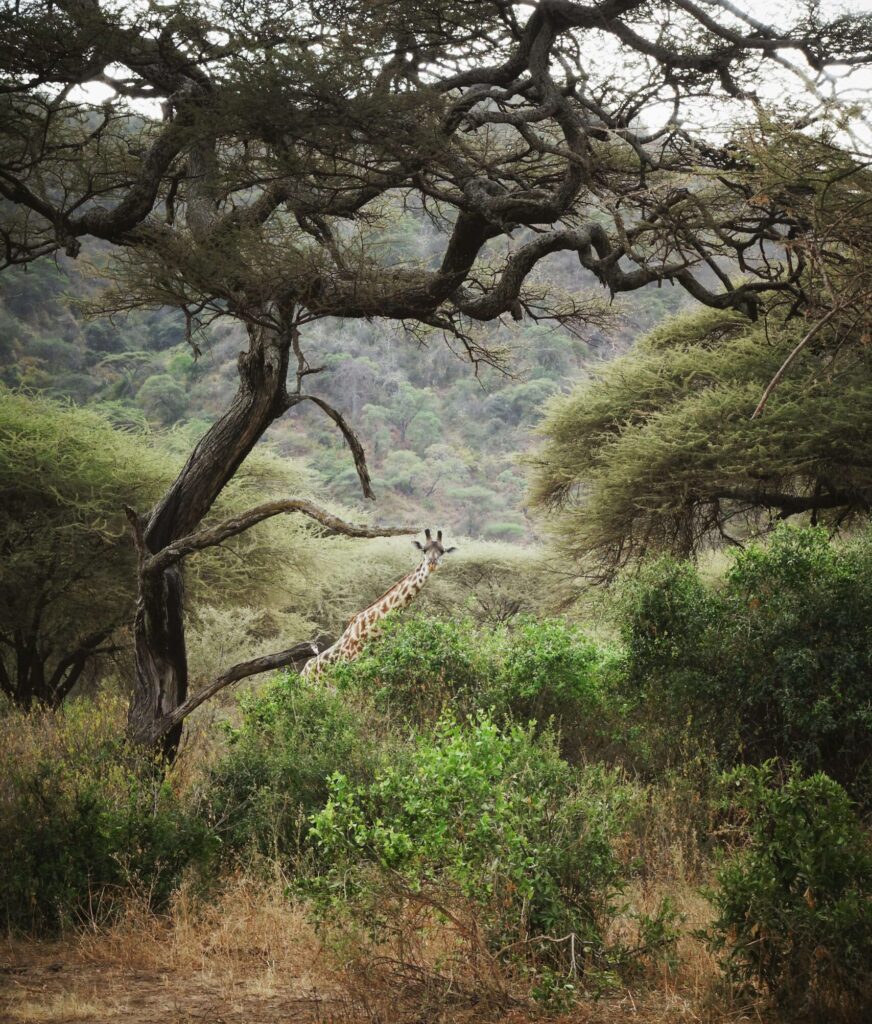
Morning: Depart from your accommodation early morning to head towards Tarangire National Park. Known for its large herds of elephants and iconic baobab trees, Tarangire is a spectacular place to start your safari. The park is also home to a variety of other wildlife, including lions, zebras, giraffes, and many species of birds.
Midday: Arrive at Tarangire and embark on a game drive. With the help of a knowledgeable guide, you’ll track down animals and learn about the local flora and fauna. The park is especially famous for its stunning landscapes and high concentration of elephants during the dry season.
Afternoon: Enjoy a packed lunch or lunch at a designated picnic area within the park. Afterward, continue your safari as you explore different parts of the park to spot more wildlife. The late afternoon is a good time to observe predators like lions and leopards.
Evening: Return to your lodge or camp for dinner and an overnight stay. Some lodges offer the chance for a night game drive to spot nocturnal creatures.
Day 2: Lake Manyara National Park
Morning: After breakfast, drive to Lake Manyara National Park, located at the base of the Great Rift Valley escarpment. Lake Manyara is known for its beautiful landscapes, including lush forests, hot springs, and alkaline lake shores. It’s also one of the best places to see the famous tree-climbing lions.
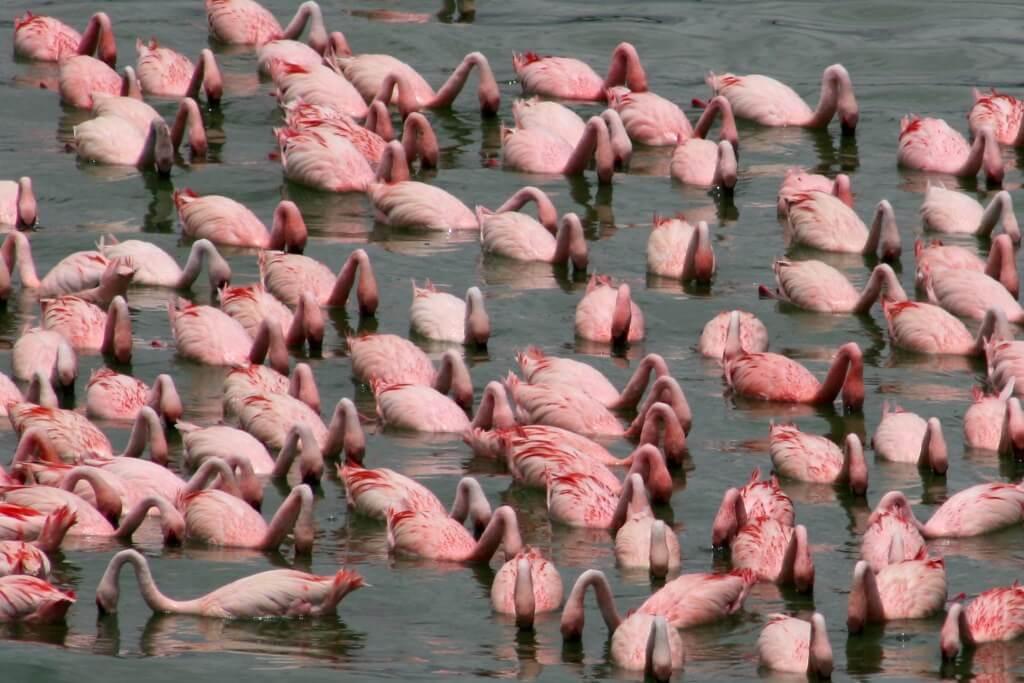
Midday: Begin your game drive within the park. The park is home to a diverse range of wildlife, including elephants, giraffes, buffalo, and a wide variety of bird species, including flamingos that often gather around the lake. The park’s varied ecosystems make it an ideal place to witness different animal behaviors and environments.
Afternoon: Enjoy lunch at a picnic site or a lodge within or near the park. Afterward, continue your safari in the park or opt for a nature walk with a park ranger to learn more about the flora and fauna up close.
Evening: Return to your lodge or camp for dinner and an overnight stay. You may also have time to relax by a campfire under the stars, soaking in the atmosphere of the African bush.
Day 3: Ngorongoro Crater
Morning: On the final day of your safari, wake up early for the drive to the Ngorongoro Crater, one of the Seven Natural Wonders of the World and a UNESCO World Heritage site. The crater is often referred to as the “Garden of Eden” due to its incredible biodiversity and stunning landscapes.
Midday: Descend into the crater floor for a full game drive. The Ngorongoro Crater is home to a large concentration of animals, including the endangered black rhino, lions, elephants, wildebeest, zebras, and gazelles. The fertile soil in the crater supports a rich variety of life, and the views of the crater floor from the rim are spectacular.
Afternoon: Enjoy a packed lunch at one of the designated picnic sites in the crater. After lunch, continue your game drive as you explore different areas of the crater. Look out for the large herds of wildebeest and the opportunity to spot predators like lions and cheetahs.
Late Afternoon: After a final game drive, head back up to the crater rim and start your journey back to your accommodation or to the airport, depending on your travel plans.
What’s Included:
- Transportation: Safari vehicle with an experienced driver-guide.
- Accommodation: Lodging in comfortable lodges or camps (options may vary depending on your preference).
- Game Drives: Extensive game drives in all three national parks.
- Meals: Full board (breakfast, lunch, and dinner) during your stay.
- Park Fees: Entrance and conservation fees for all the parks visited.
- Guiding: A professional, English-speaking guide who will ensure you get the most out of your safari experience.
What to Bring:
- Comfortable clothing (neutral-colored clothing is preferred for game drives)
- A hat and sunscreen
- A camera with extra memory cards and batteries
- Binoculars for birdwatching and wildlife viewing
- Personal toiletries and medications
- A flashlight for evening use (especially if staying in a tented camp)
Additional Notes:
- The best time to go on safari in Tanzania is during the dry season (June to October) when wildlife tends to gather around water sources, making it easier to spot animals.
- If you’re visiting during the rainy season (November to May), the parks are lush and green, and there are fewer tourists, but some areas may be less accessible.
This safari will provide you with an incredible opportunity to witness Tanzania’s rich wildlife and stunning natural beauty in just three days.